 baiyu August 8, 2025
Are product inconsistencies and limited shelf life eating into your profits? This challenge not only costs money but also damages your brand's reputation. Tunnel pasteurization is the reliable, large-scale processing solution.
Tunnel pasteurization is a continuous process that pasteurizes food and beverages inside their sealed packages. Products move on a conveyor through a long tunnel, where they are heated and then cooled to kill harmful microbes, extending shelf life while preserving taste and quality.
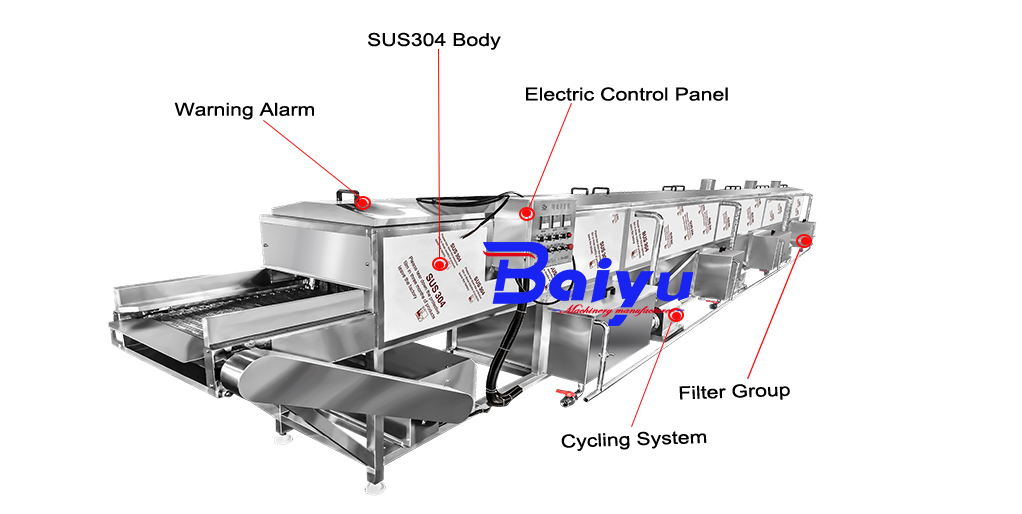
This method is a game-changer for many food producers, and I have seen its impact first-hand over my 14 years in the food machinery industry. Many businesses, especially those scaling up like Sophia's company, face the challenge of moving from small-batch production to a continuous, automated line. The choice of pasteurization technology is critical at this stage. It doesn't just affect product safety; it impacts everything from operational efficiency to labor costs and energy consumption. Let's explore the details to see why this technology is becoming a standard for serious food manufacturers.
What is the difference between flash and tunnel pasteurization?
Choosing the right pasteurization method is confusing. The wrong choice can hurt your product quality, slow down production, and increase your operational costs. Understanding the key differences makes the decision clear.
The main difference is the timing and packaging. Flash pasteurization (HTST) treats liquids before packaging, while tunnel pasteurization treats products after they are sealed in their final containers (bottles, cans, jars). This makes tunnel pasteurization ideal for ensuring post-packaging sterility.
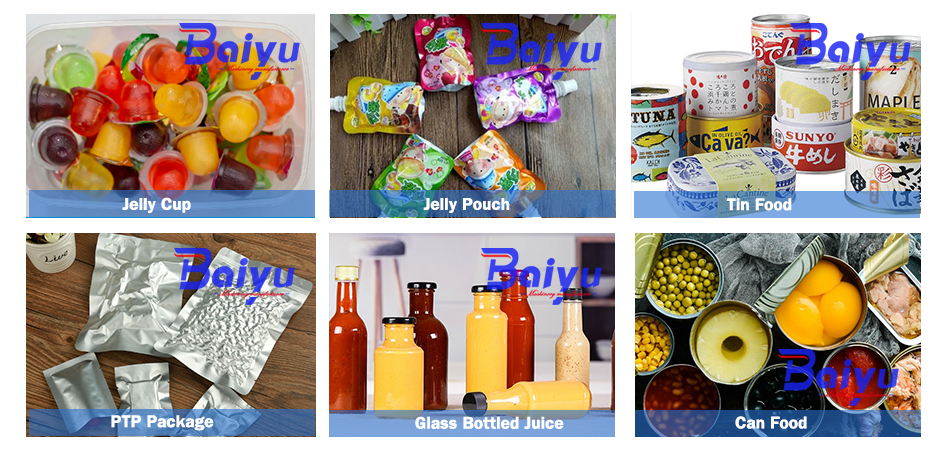
In my experience, this choice often comes down to the product itself and the scale of production. I often advise clients that if they are producing a liquid like milk or juice that will be packaged aseptically, flash pasteurization is very efficient. However, for a procurement manager like Sophia who handles a wide range of products, including beverages, sauces, and ready-to-eat meals in various containers, a tunnel pasteurizer offers more flexibility and final-package security. It eliminates the risk of contamination during the filling and capping stage, which is a major concern for food safety. Here's a simple breakdown to help you compare them.
Key Technical Differences
| Feature | Tunnel Pasteurization | Flash Pasteurization (HTST) |
|---|---|---|
| Process | Continuous, in-package | Continuous, pre-package |
| Product State | Liquid or solid, in a sealed container | Liquid only |
| Heat Application | Sprays of hot water on containers | Heat exchangers on the liquid |
| Best For | Beer, canned drinks, sauces, pickles | Milk, fruit juices, liquid eggs |
| Main Advantage | Sterilizes both product and container | Very fast, energy efficient for liquids |
Ultimately, for companies looking to ensure the final product on the shelf is as safe as possible, treating it in its final sealed form with a tunnel pasteurizer provides that extra layer of confidence.
What are the three methods of pasteurization?
You know pasteurization is necessary, but the different types can be overwhelming. This knowledge gap can lead you to buy equipment that is inefficient or unsuitable for your specific products.
The three main methods of pasteurization are: Low-Temperature Long-Time (LTLT), High-Temperature Short-Time (HTST or flash), and Tunnel Pasteurization. Each method uses a different combination of temperature and time to suit different products and production scales.

Over the years, I've helped countless companies navigate this choice. The trend I see is a clear shift away from older, manual methods toward more automated and continuous systems, especially as businesses grow and food safety standards become stricter. Let's look at each method.
1. Low-Temperature Long-Time (LTLT)
This is the classic method, also known as vat pasteurization. It involves heating the product in a large, jacketed tank to a lower temperature (around 63°C or 145°F) and holding it for at least 30 minutes. It's gentle on the product but is a slow, batch-based process. I see it mostly in small dairies or for artisanal products where production volume is low. It requires a lot of manual labor and is not ideal for large-scale operations.
2. High-Temperature Short-Time (HTST)
This is flash pasteurization. The liquid is heated to a high temperature (at least 72°C or 161°F) for just 15 seconds, and then rapidly cooled. It's a very efficient and continuous process for liquids like milk and juice. The equipment, a plate heat exchanger, is compact. However, its major limitation is that it only works for liquids and requires a sterile filling environment to prevent re-contamination.
3. Tunnel Pasteurization
This is the focus here. It provides a continuous solution for products that are already packaged. It solves the post-pasteurization contamination risk by treating the sealed container. This is why it's the standard in the beverage industry (beer, soft drinks) and for many jarred and canned foods. It offers automation, consistency, and reliability for high-volume production lines.
What is the temperature for tunnel pasteurization?
Getting the temperature wrong can ruin your products. Too low, and you fail to kill harmful microbes. Too high, and you can overcook the food, destroying its flavor, color, and nutritional value.
There is no single temperature. It depends entirely on the product, its acidity (pH), the container size, and the specific microbes you need to eliminate. Generally, heating zones operate between 60°C and 95°C (140°F to 203°F), followed by a precise holding time.
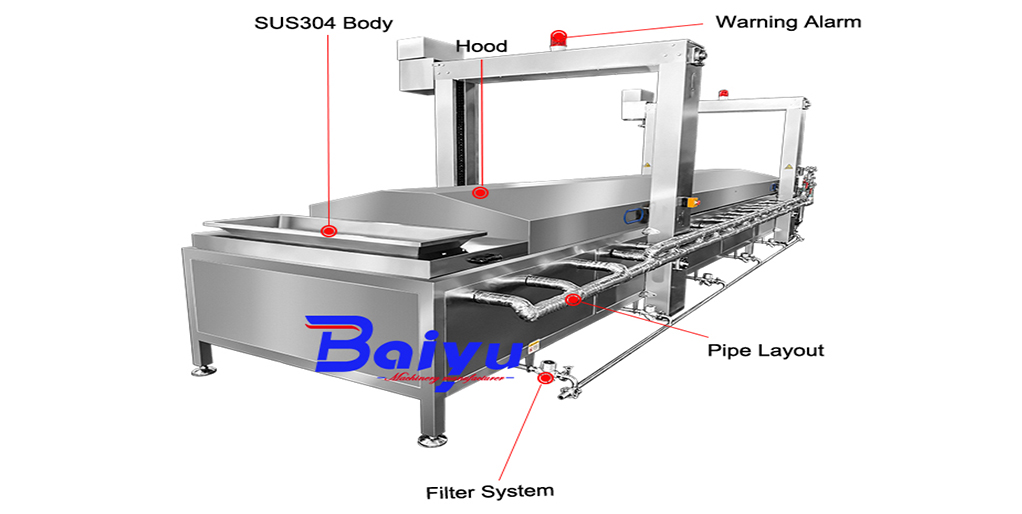
When I work with clients, like the team at KFC in Kazakhstan, setting the correct temperature profile is one of the most critical steps. A modern tunnel pasteurizer is not just one hot box. It's a sophisticated machine with multiple zones, all managed by a PLC (Programmable Logic Controller).
The Multi-Zone Temperature Approach
A tunnel is divided into distinct sections to ensure gentle and effective treatment:
- Pre-heating Zones: The product enters and is gradually warmed up. This prevents thermal shock, which could crack glass bottles or damage seals. Water used for cooling at the end of the tunnel is often recycled here to save energy.
- Heating and Holding Zone: This is the critical pasteurization stage. The product is brought to the target temperature and held there for a specific duration. For example, beer might be held at 60°C for a set number of "Pasteurization Units" (PUs) to ensure stability without affecting taste.
- Pre-cooling and Cooling Zones: After holding, the product must be cooled down in a controlled manner. Again, this is done gradually to avoid thermal shock. The final temperature is typically close to ambient so the products can be immediately packaged and stored.
A procurement manager like Sophia should always prioritize machines with precise multi-zone temperature control and a reliable PLC system. This ensures product consistency and safety, batch after batch.
what is tunnel pasteurization process?
A slow, manual production line is a recipe for inefficiency and error. This disjointed process creates bottlenecks and compromises consistency. The tunnel pasteurization process is a fully automated flow that solves these issues.
The process is a fully automated, continuous flow. Packaged products are loaded onto a conveyor belt that moves them through a long tunnel. Inside, they are systematically sprayed with water at different temperatures—first heating, then holding, and finally cooling—before exiting ready for packing.
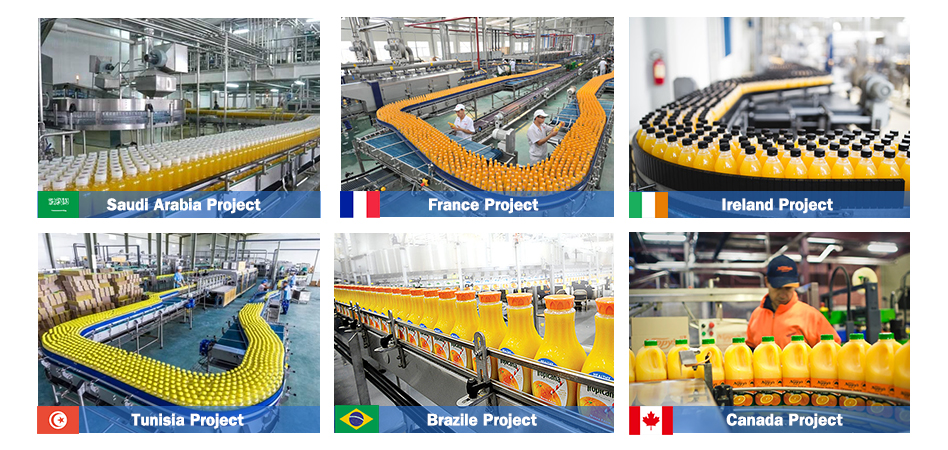
When we design and install these lines, the goal is always a smooth, hands-off operation. The elegance of the tunnel pasteurizer is in its simplicity and automation. Here’s a step-by-step look at how it works.
Step 1: Loading
At the start of the line, bottles, cans, or jars are automatically fed onto the machine's conveyor belt. This belt is usually made of durable stainless steel or high-grade plastic mesh, designed to handle the weight and move at a very precise, controlled speed.
Step 2: Heating Phase
As the conveyor moves the products into the tunnel, they enter the heating zones. A series of pumps and spray nozzles drench the containers with water. The water temperature in each successive zone is slightly higher, gently raising the product's temperature to the target. This gradual process is key to preventing container damage.
Step 3: Holding (Pasteurization) Phase
Once at the target temperature, the products move through the holding zone. The water spray here maintains that precise temperature for the exact amount of time required by the process, ensuring all harmful microorganisms are neutralized. The speed of the conveyor belt dictates this holding time.
Step 4: Cooling Phase
After the holding zone, the products enter the cooling sections. Here, they are sprayed with progressively cooler water. This brings the product temperature down safely and efficiently. Many modern systems, like the ones we build at Byfood Machinery, use a heat recovery system where the heat absorbed by the cooling water is used to pre-heat the incoming products, saving a significant amount of energy.
Step 5: Unloading
Finally, the cooled products exit the tunnel and are transferred to a downstream conveyor for drying, labeling, and final case packing. The entire journey is continuous and controlled from a central panel.
what is tunnel pasteurization used for?
You're considering a major investment, but is this machine right for your specific product line? Investing in the wrong technology is a costly mistake that no procurement manager wants to make.
It's used for a wide variety of packaged foods and beverages that need to be shelf-stable. Common applications include bottled beer, canned soft drinks and juices, teas, sauces in glass jars, salsas, pickles, and some ready-to-eat meals in trays.
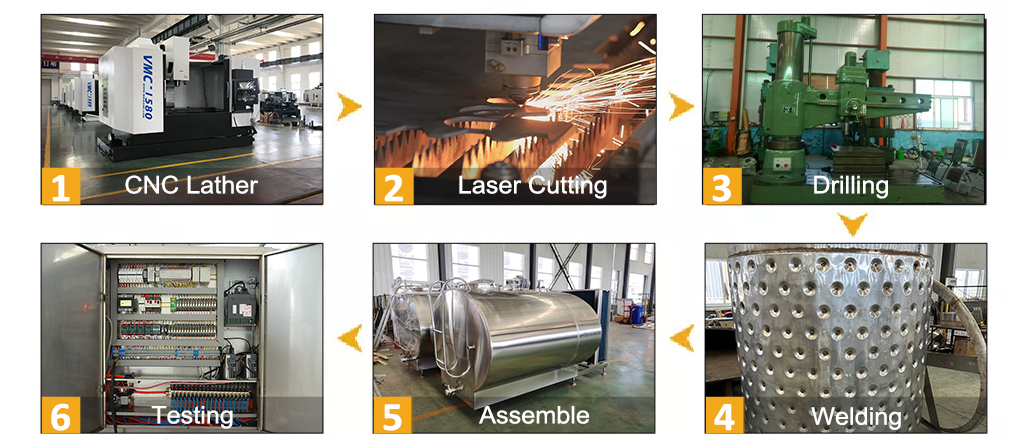
The core strength of this technology is its ability to pasteurize the product inside its final, sealed container. I remember helping a sauce company in Australia make the switch from batch processing. Their main challenge was inconsistent shelf life. After installing a tunnel pasteurizer, their product stability improved dramatically, and it helped them secure contracts with major national retailers. For a manager like Sophia, who oversees procurement for vegetable processing, meatball production, and snack foods, the versatility of a tunnel pasteurizer is a huge asset.
Common Industries and Applications
- Beverage Industry: This is the largest user. Beer is the classic example, as "tunnel pasteurizing" prevents refermentation from leftover yeast. It's also essential for canned teas, juices, and carbonated soft drinks to ensure microbial stability.
- Sauces and Condiments: Any sauce, salsa, or dressing packed in a glass jar or bottle is a perfect candidate. The process ensures the product is safe without the need for excessive preservatives.
- Canned and Jarred Foods: This includes pickles, olives, fruit cocktail, and some soups. It provides a final safety check after the canning process is complete.
- Ready-to-Eat (RTE) Meals: As the market for convenient, pre-packaged meals grows, so does the need for reliable pasteurization. Tunnel pasteurizers can handle meals in sealed plastic trays, making them safe for refrigerated storage with an extended shelf life.
If your product is packaged in a can, bottle, jar, or heat-stable tray and needs a longer shelf life at room or refrigerated temperatures, then tunnel pasteurization is almost certainly the right technology to investigate.
Conclusion
Tunnel pasteurization is a vital technology for modern food production. It ensures product safety, extends shelf life, and supports high-volume, automated manufacturing, making it a cornerstone for competitive food businesses.
