 baiyu July 17, 2025
Are you struggling with slow, inconsistent food production? Manual labor costs are rising, and quality control is a constant headache. The right equipment is the only way forward.
Food processing equipment refers to all machinery used to handle, prepare, cook, and package food products. These machines automate tasks like washing, cutting, mixing, and heating, which boosts production capacity, guarantees food safety, and ensures a consistent, high-quality final product for your customers.
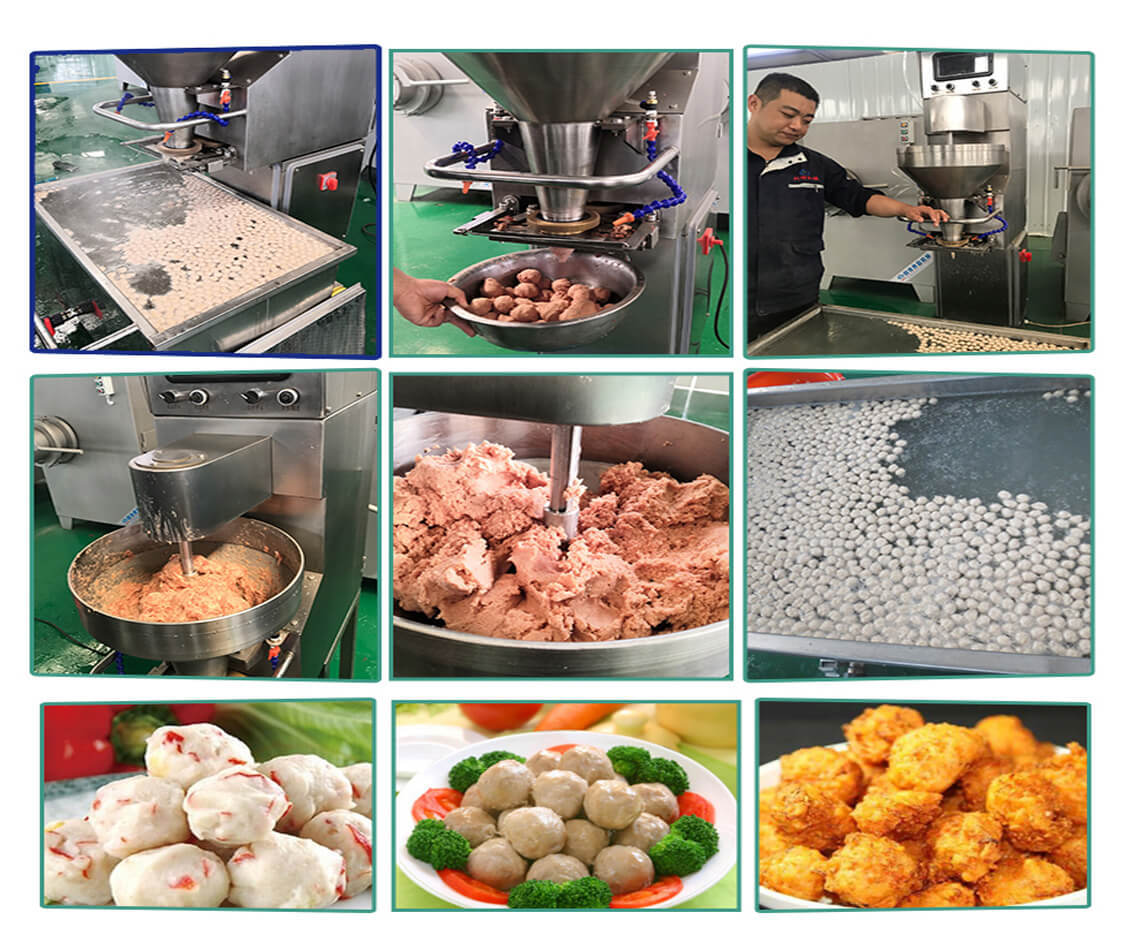
Now you know the basic definition. But understanding what an individual machine does is just the start. The real power comes from knowing how they work together and what to look for when you're buying them. As a procurement manager like Sophia knows, a single machine is just a tool, but a full production line is a solution. I've spent 14 years helping companies build these solutions, so let's break down some of the most critical pieces of equipment you'll encounter.
What are the equipment used in meat processing?
Is your meat processing line a jumble of disconnected steps? This creates bottlenecks and quality issues that can ruin an entire batch. You need a seamless, integrated line of equipment.
A typical meat processing line uses defrosting machines, meat cutters, grinders, mixers, and cookers. These machines work together in a sequence to turn raw meat into finished goods like meatballs or sausages, ensuring high efficiency and hygiene from start to finish.
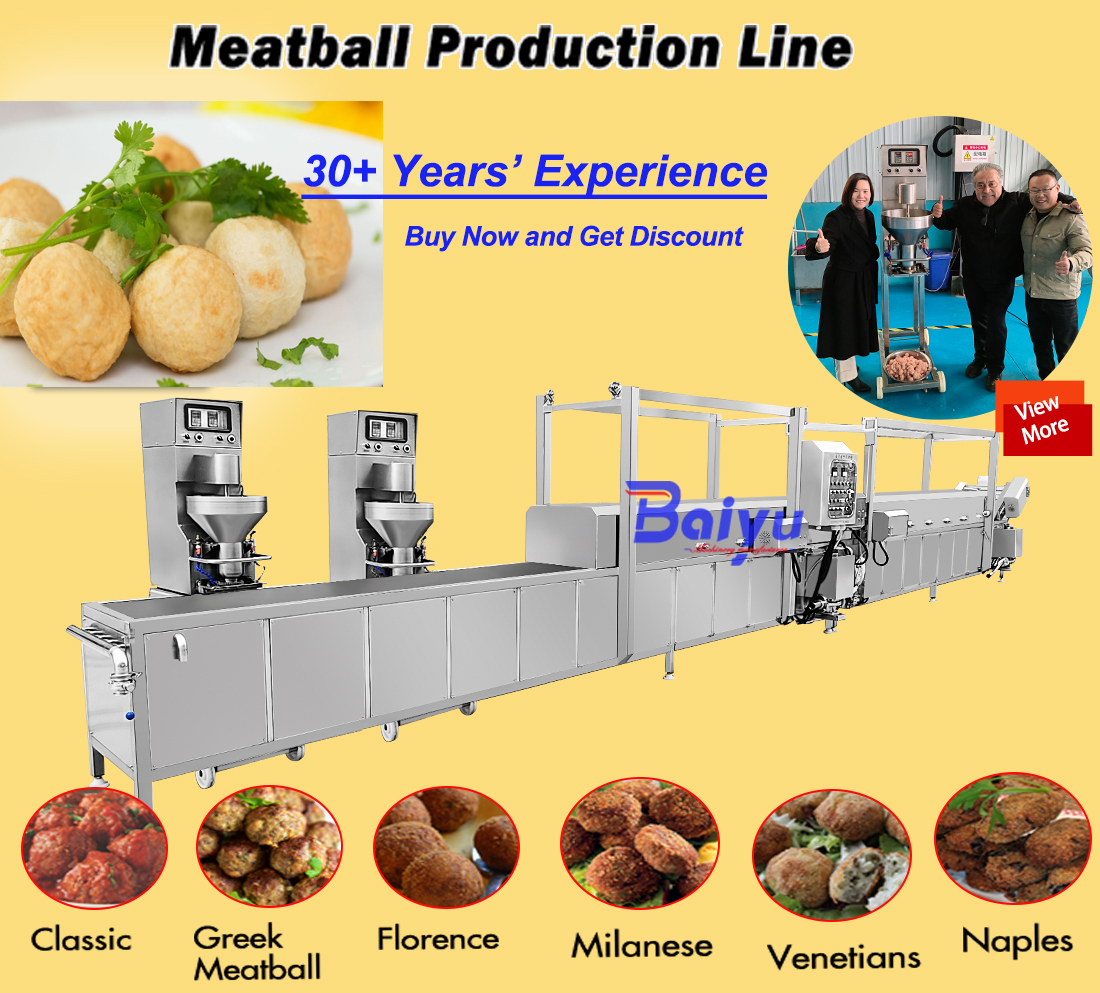
Thinking of these machines as a connected system is key. I remember working on a project for a KFC supplier in Malaysia. They didn't just need a fryer; they needed a whole system. The process started with a defrosting machine to safely thaw the chicken. Then, it went to marinating tumblers, then to breading and coating machines, and finally to the continuous fryers. Each step had to feed perfectly into the next. If one machine was too slow, the whole line backed up. This is why when clients like Sophia ask for a "meatball machine," I start by asking about their entire process. We build the solution backward from the final product. It’s not just about selling a machine; it’s about designing a workflow that is efficient, safe, and profitable for the business.
What's on a typical food processing equipment list?
Is building an equipment purchasing list overwhelming? If you miss one crucial piece, your entire production can come to a halt, wasting time and money. A structured list is essential.
A good equipment list is organized by production stage: an initial preparation stage (like washers and peelers), a size reduction stage (cutters, grinders), a mixing stage (blenders), a thermal processing stage (cookers, fryers), and a final packaging stage (fillers, sealers).

When I help clients create this list, the first question is always about their goals and budget. This is where we see a big difference in the Chinese market. Should you go for an economic option or a high-end one? I always explain it with a simple table.
| Feature | Economic Equipment | High-End Equipment (like Byfood) |
|---|---|---|
| Material | Basic stainless steel, maybe 201 grade | Food-grade 304 or 316 stainless steel |
| Design | Simple, functional design | Hygienic design, easy to clean, no dead corners |
| Automation | Manual or semi-automatic controls | Fully automatic, PLC smart controls |
| Certifications | Usually for the domestic market only | CE, ISO, and other international standards |
| Best For | Startups, small workshops, tight budgets | Growing businesses, export markets, high standards |
For a customer in Australia who wanted to start a small snack food business, we began with some economic machines. But as they grew and looked to export, we helped them upgrade to a fully automatic line with CE certification. Thinking about your long-term goals is crucial.
Why is a meat cutting machine essential?
Are you still cutting meat by hand? It's slow, dangerous, and the resulting portion sizes are all over the place. This directly hurts your profits and product consistency.
A meat cutting machine is essential because it automates the process, delivering perfectly uniform slices, dices, or strips at very high speeds. This consistency improves your product quality, gives you strict portion control, and massively boosts your factory's output.

I saw this firsthand with a client who made beef jerky. They were losing money because their hand-cut slices were uneven. Some were too thick and didn't dry properly, while others were too thin and became brittle. We installed a precision fresh meat slicer for them. The machine paid for itself in six months. Their product waste dropped by over 15%, and their production speed tripled. When you look for a cutter, you need to know what you're cutting.
Key Features to Consider
- Fresh vs. Frozen: Do you need to cut fresh, chilled meat or solid frozen blocks? They require different types of machines and blades. A frozen meat cutter uses a powerful guillotine, while a fresh meat slicer uses sharp circular blades.
- Blade Quality: The blades are the heart of the machine. They need to be made from hardened steel that stays sharp and is easy to remove for cleaning and sharpening.
- Safety: These are powerful machines. Look for safety interlocks on all covers, emergency stop buttons, and a design that keeps the operator's hands far from the blades.
What should you look for in a meat grinder?
Is your grinder constantly clogging or producing a mushy, poor-quality grind? A bad grind can ruin the texture of your sausages or burgers, disappointing your customers.
You should look for a meat grinder built from food-grade stainless steel for hygiene. Also, check its motor power to handle your meat type, and its capacity (kg/hr) to meet your production needs. Finally, make sure it comes with different-sized grinding plates.
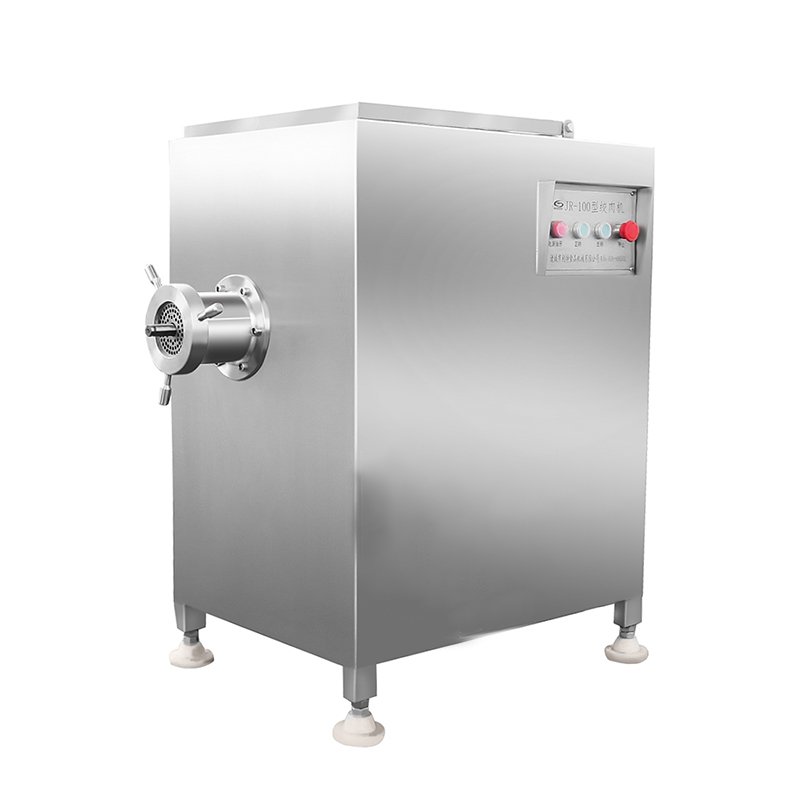
The details here make all the difference. For a sausage maker I worked with in Italy, the final texture was everything. Before they placed a large order, we sent them a sample machine with three different grinding plates. They tested it with their own unique spice blend and meat mixture to find the perfect combination. They valued this ability to test before buying. Here’s what I told them to focus on:
- Material: 304 stainless steel is the standard. It's durable and easy to clean. If you work with very salty or acidic marinades, I recommend upgrading to 316 stainless steel for better corrosion resistance.
- Motor and Auger: The motor's power determines if it can handle tough sinew or semi-frozen meat without slowing down. The auger (the screw that pushes meat forward) must be well-designed to feed the meat consistently to the plates without crushing it.
- Ease of Cleaning: The grinding head must be easy to disassemble without tools. Every part that touches meat should be removable for daily sanitizing. This is a non-negotiable for food safety.
What makes a good industrial mixer machine?
Are you getting inconsistent batches from your mixer? Some parts are too salty, others are not mixed enough. This lack of uniformity can lead to customer complaints and rejected products.
A good industrial mixer provides a thorough, even blend every time, with no unmixed "dead spots." It should be made from stainless steel for easy cleaning, offer variable speed controls, and have a tilting feature for easy and safe unloading of the product.

The type of mixer you need depends entirely on your product. For delicate products like salad fillings, you want a gentle paddle mixer. For thick meatball paste, a powerful Z-arm mixer is better. One of the most advanced types is the vacuum mixer. By removing air during mixing, it creates a denser product with better color and a longer shelf life. I recently supplied several of these to a food science program at a US university. They needed them to develop new meat alternative products. The vacuum feature was critical for achieving the right texture. Modern mixers also come with programmable controls. You can save a recipe—for example, "mix for 2 minutes at 40 RPM, then vacuum for 1 minute, then mix again for 1 minute at 60 RPM"—and any operator can run it perfectly just by pushing a button.
How does a defrosting machine improve efficiency?
Are you still thawing frozen meat in sinks full of water? This method is slow, takes up a ton of space, and creates a major food safety risk from bacterial growth.
A defrosting machine improves efficiency by using technologies like circulating warm water or high-frequency waves to thaw frozen meat blocks quickly and evenly. This drastically cuts down on waiting time, frees up labor, and ensures a much safer, more hygienic process.
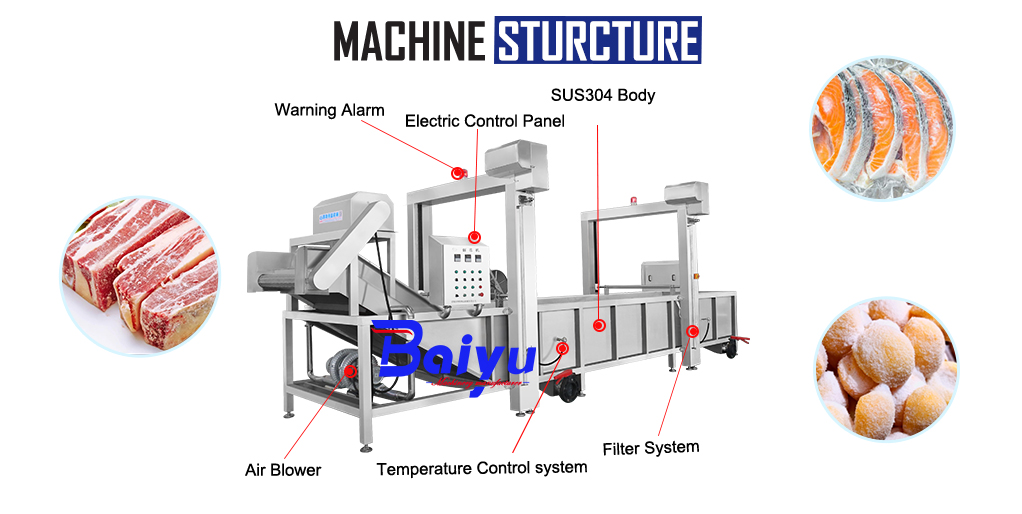
Think about the difference. The old method might take 8-12 hours. During that time, the outside of the meat gets warm while the inside is still frozen, creating the perfect breeding ground for bacteria. A modern defrosting machine can do the same job in 1-2 hours. I worked with a client in Kenya who was supplying a major hotel chain. Their health inspections were getting tougher. They were thawing fish in tubs of water, and the inspectors flagged it. We installed a microwave defrosting machine for them. Not only did it solve their compliance problems, but it also improved their product. The fish lost less water during thawing, which meant a better final weight and texture. They could thaw product on demand instead of guessing the day before, which cut down on waste significantly. It completely changed their prep kitchen's workflow for the better.
What is an industrial pressure cooker?
Are your cooking times too long? Slow cooking methods use a lot of energy, limit your daily production volume, and can result in a less consistent product.
An industrial pressure cooker, also called a retort or autoclave, is a large, sealed vessel that cooks food using high-pressure steam. This technology drastically shortens cooking times, sterilizes the product for a long shelf life, and better preserves nutrients and flavor.

Here's the simple science behind it. At normal sea-level pressure, water boils at 100°C (212°F). Inside a pressure cooker, the increased pressure raises the boiling point to 121°C (250°F) or even higher. This hotter temperature cooks food much, much faster. But its main job is often sterilization. For any company in Singapore or Europe making canned goods, pouched soups, or any shelf-stable product, a retort is not optional. It's the only way to kill all microorganisms and meet international food safety laws. It heats the product to a specific temperature for a specific amount of time, a process validated by food scientists. When you buy one, you're not just buying a cooker; you're buying a certified process that guarantees your product is safe to sit on a shelf for months or years.
Conclusion
Choosing the right equipment isn't just about specifications. It's about finding a reliable partner who understands your goals for production, food safety, and business growth.
