 baiyu July 15, 2025
Struggling to get the perfect texture for your food products? Your current equipment might be holding you back, costing you quality and customer satisfaction. It's time for a better solution.
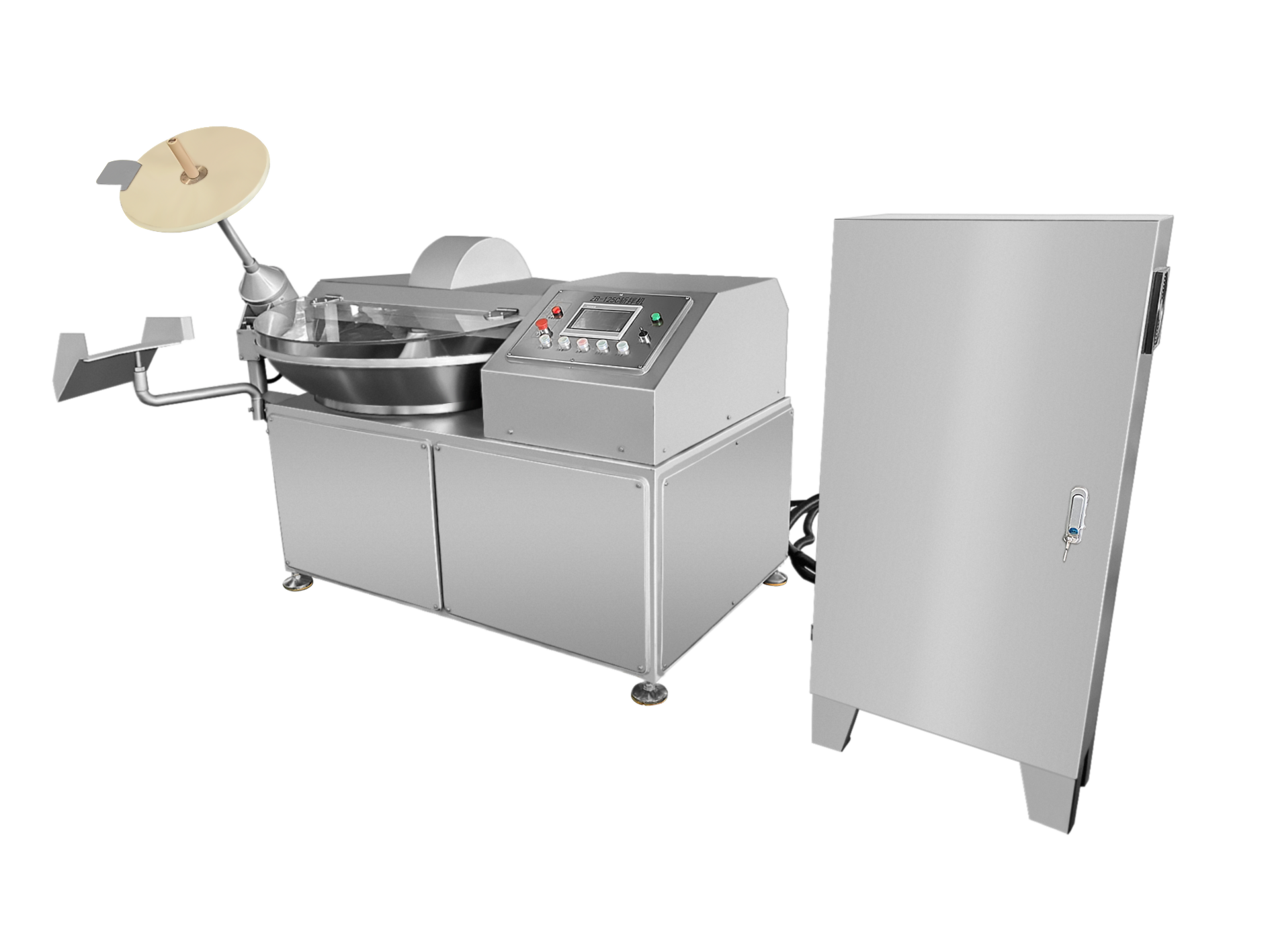
A bowl cutter is a key machine in food processing. It uses high-speed rotating knives inside a rotating bowl. This action finely chops, mixes, and emulsifies ingredients like meat and vegetables. It's essential for making products like sausages or meatballs with a smooth, uniform texture.
In my 14 years in the food machinery industry, I've seen firsthand how the right bowl cutter can transform a production line. A smart procurement manager like Sophia always needs to know the details. She needs to understand exactly what this machine does and why it's better than other options for her expanding company. She values performance, hygiene, and a supplier who understands her challenges. Let's dig into the specifics that matter for professionals like her.
What are bowl cutters used for?
Are your products inconsistent in texture and quality? This can lead to customer complaints and waste. You need a machine that guarantees a uniform and high-quality result every single time.
Bowl cutters are used to create a wide range of food products. Their main job is to process raw materials for items like sausages, meatballs, fish paste, and pâtés. They are also perfect for vegetable fillings, sauces, and dips, ensuring a smooth and consistent texture.

A bowl cutter's versatility is one of its greatest strengths. Managers like Sophia, who oversee procurement for diverse product lines from meatball production to snack foods, appreciate a machine that can handle multiple tasks. It simplifies the production line and maximizes the return on investment.
Processing Meat and Fish Products
This is the most common use for a bowl cutter. In sausage making, the machine's high-speed action emulsifies fat and protein together with water. This process is critical for creating that classic smooth texture and preventing the fat from separating during cooking. For meatballs and fish balls, it creates a fine, elastic paste that results in a firm and bouncy final product. I remember leading a project to provide production solutions for a KFC supplier in Kazakhstan. Their challenge was achieving a consistent texture for their chicken products. The implementation of a high-speed vacuum bowl cutter was a game-changer for their quality control.
Preparing Vegetable and Plant-Based Foods
The food industry is always evolving, and the demand for high-quality vegetarian and vegan products is growing. A bowl cutter is perfect for this. It can finely chop vegetables for fillings, create smooth hummus, or blend ingredients for plant-based sausages. Unlike other machines that can turn vegetables into a watery mess, a bowl cutter with variable speed control allows for precise chopping. This maintains a desirable texture. We recently supported a client in Australia with a one-stop solution for their new vegan food line, and the bowl cutter was the heart of their operation.
What is a bowl machine?
Confused by different industry terms like bowl cutter, bowl chopper, or bowl machine? This confusion can slow down your procurement process. You need a clear understanding to make the right choice for your factory.
"Bowl machine" or "bowl chopper" are just other names for a bowl cutter. It refers to the same piece of equipment. The name highlights the two main components: the large, rotating bowl that holds the ingredients and the high-speed cutting knives that process them inside the bowl.

Understanding the machine's components is crucial for a procurement manager like Sophia. She needs to evaluate technical specifications to ensure the equipment meets her company's high standards for safety, hygiene, and performance.
Key Components of a Bowl Machine
Every part of a bowl cutter is designed for a specific purpose.
- The Bowl: This is almost always made of food-grade stainless steel (like SUS304 or SUS316). The capacity can range from small tabletop models to large industrial ones holding hundreds of liters. A well-made bowl is thick, durable, and easy to clean.
- The Knife Head: This holds the cutting blades. The number of blades can vary, usually from three to six. The quality of the blade material is critical for durability and sharpness. We often use imported German steel for our high-end models. Most importantly, the knife speed should have variable frequency control, allowing operators to adjust the speed for different products.
- The Lid and Seals: A heavy-duty lid is essential for safety. On advanced models, it also creates a seal for vacuum processing. A good seal is also waterproof, which is vital during washdowns.
Types of Bowl Machines
In my experience, especially in the Chinese market, bowl cutters fall into two main categories. This is a critical distinction for buyers.
| Feature | Economy Model | High-End Model (e.g., Byfood Machinery) |
|---|---|---|
| Material | Standard stainless steel | Premium SUS304/SUS316 stainless steel |
| Control | Simple button controls, fixed speed | PLC touch screen, variable frequency speed control |
| Noise Level | Higher | Lower, due to better bearings and construction |
| Features | Basic chopping and mixing | Vacuum function, automatic discharge, temperature sensor |
| Certifications | Basic | CE, ISO for international markets |
For a company focused on exports and high quality, a high-end model is a necessary investment.
What is the function of a bowl cutter?
Your product quality is suffering from poor ingredient integration. This results in an inconsistent product. You need a machine that can perform multiple functions at once to achieve perfect results.
The main function of a bowl cutter is to chop, mix, and emulsify. It finely cuts raw materials. It thoroughly mixes different ingredients like meat, fat, water, and spices. And it creates a stable emulsion, which gives products like sausages their classic texture.

These three functions—chopping, mixing, and emulsifying—are what make the bowl cutter so indispensable. They happen almost simultaneously, saving time and creating a superior product. A machine that does one or two of these things well is useful, but a machine that does all three perfectly is a production cornerstone.
The Chopping Function
The knife head in a bowl cutter can spin at thousands of RPM. This incredible speed allows it to chop meat, fat, and vegetables into very fine particles in a matter of seconds or minutes. This rapid chopping is better than slow grinding because it generates less heat. Keeping the product temperature low is essential for preserving the color, flavor, and protein quality of the meat.
The Mixing Function
As the knives chop, the bowl itself rotates at a slower, controlled speed. This dual motion ensures that all the ingredients are constantly moving and being presented to the blades. It guarantees that spices, salt, water, and other additives are perfectly and evenly distributed throughout the entire batch. You will not get "hot spots" of seasoning or clumps of unmixed fat.
The Emulsifying Function
This is the most advanced function and the key to high-quality processed meats. Emulsification is the process of combining two things that don't normally mix, like fat and water. The intense shearing force of the high-speed knives breaks down fat into microscopic particles and coats them with protein from the meat. This creates a stable, uniform paste. A great emulsion results in a juicy, firm sausage with a pleasant mouthfeel and minimal cooking loss. High-end machines with a vacuum function perform this even better, removing air bubbles to create a denser, more appealing product.
How to use a bowl chopper?
Buying new equipment is one thing, but using it correctly is another. Improper operation can damage the machine and ruin your product. You need a clear, step-by-step guide for your team.
To use a bowl chopper, first ensure it's clean and sanitized. Load your raw ingredients into the bowl. Close the lid securely. Select the appropriate knife and bowl speed on the control panel. Start the machine and monitor the process until you reach the desired texture, then safely discharge.

Proper operation is about more than just pressing a button. It's about safety, efficiency, and final product quality. When we provide equipment support to universities in the United States or help a customer in Singapore set up a production line, we always emphasize the importance of a proper operating procedure.
Step-by-Step Operating Guide
- Pre-Operation Check: Safety first. Before any power is on, check that the machine is perfectly clean. Ensure the safety lid is functioning and all guards are in place. Confirm the knives are securely fastened and sharp. A dull blade will mash ingredients instead of cutting them.
- Loading Ingredients (Order Matters): Don't just dump everything in. The typical order is crucial for a good emulsion. First, add the lean meat and some of the salt. Run the machine for a short time to extract protein. Next, add the fat. Then, slowly add ice or ice-cold water, followed by the remaining spices and additives. I always tell clients to use ice, as it keeps the product temperature low.
- Setting Parameters: This is where skill comes in. Use a lower knife speed for an initial coarse chop. Then, increase to a high speed for fine chopping and emulsification. The bowl speed can also be adjusted. A faster bowl speed with a faster knife speed will finish the product more quickly.
- Monitoring the Process: Don't just set it and walk away. An experienced operator watches the texture of the product through the viewing port. Modern machines have temperature probes that show the product temperature on the screen, which is a critical piece of data. The process may only take a few minutes.
- Discharging and Cleaning: Once the desired texture is reached, use the automatic discharger to empty the bowl cleanly and safely. Immediate cleaning is vital. A machine with a good hygienic design, made of stainless steel with smooth welds and no hidden corners, makes this final step much easier. This is a top priority for procurement managers like Sophia who are focused on food safety standards.
What is the difference between a bowl cutter and a mincer?
Choosing the wrong machine for the job is a costly mistake. You might be using a mincer when a bowl cutter would give you a much better product. It's time to understand the key differences.
A meat mincer, or grinder, forces meat through a plate with holes. It only grinds. A bowl cutter uses high-speed knives in a rotating bowl. It not only chops but also mixes and emulsifies ingredients, creating a much finer and smoother paste-like texture.

This is one of the most common questions I get from clients, from new startups in Kenya to established factories in Italy. Both machines process meat, but they work differently and produce very different results. For a procurement manager, choosing the right one directly impacts product quality and production capability.
The Core Mechanical Difference
A meat mincer's action is called extrusion. It uses a screw-like auger to push meat against a cutting blade and then through a perforated plate. The size of the holes in the plate determines the coarseness of the grind.
A bowl cutter's action is pure cutting. The sharp blades spin at high speed and slice through the ingredients that are brought to them by the rotating bowl. This action is much more delicate and provides far more control over the final texture.
Functional and Application Comparison
A table is the best way to see the difference clearly. I often draw this out for clients.
| Feature | Meat Mincer (Grinder) | Bowl Cutter (Chopper) |
|---|---|---|
| Primary Action | Grinding / Mincing | Chopping, Mixing, Emulsifying |
| Final Texture | Coarse, stringy, ground meat | Fine, smooth, uniform paste |
| Typical Use | Ground hamburger meat, simple pork mince | Frankfurters, sausages, meatballs, pâté, fillings |
| Ingredient Mixing | Poor. Ingredients must be mixed before or after grinding. | Excellent. Mixes all ingredients into a homogenous batch. |
| Temperature Control | Friction can increase meat temperature significantly. | Temperature is easily controlled by adding ice. |
| Final Product Quality | Basic, suitable for coarse products. | High-quality, suitable for emulsified and fine products. |
When a client like Sophia is planning a new line for a high-quality product like a frankfurter, the choice is clear. A mincer can prepare the raw meat, but only a bowl cutter can achieve the final emulsified texture that consumers expect. You simply cannot make a high-quality sausage with a mincer alone.
Conclusion
A bowl cutter is essential for quality food processing. Choosing the right machine and using it correctly are the foundation for producing high-end meat and prepared foods efficiently and consistently.
